Showing posts with label radio frequency exposure. Show all posts

Thursday, July 30, 2020

New Apple Watch Reignites Concerns over Cell Phone Radiation


Are Contemporary Smartwatches and Mobile Phones Safe for Patients With Cardiovascular Implantable Electronic Devices?

Philipp Lacour, Abdul ShokorParwani, Franziska Schuessler, Felix Hohendanner, Frank  R. Heinzel, Tobias D.Trippel, Leif-Hendrik Bold, Burkert Pieske, Florian Blaschke. Are Contemporary Smartwatches and Mobile Phones Safe for Patients With Cardiovascular Implantable Electronic Devices? JACC: Clinical Electrophysiology. 29 July 2020. https://doi.org/10.1016/j.jacep.2020.04.033.

Abstract

Objectives   Given the increasing prevalence of mobile phone and smartwatch use, this study tested patients with cardiovascular implantable electronic devices (CIEDs) for the incidence and consequence of contemporary mobile phone and smartwatch-produced electromagnetic interferences.

Background  Electromagnetic interferences can be hazardous for patients with CIEDs.

Methods  In total, 148 patients with CIEDs and leads from 4 different manufacturers were subjected to 1,352 tests. Analyzed CIEDs included 51 pacemakers, 5 cardiac resynchronization therapy pacemakers, 46 implantable cardioverter-defibrillators, 43 cardiac resynchronization therapy defibrillators, and 3 implantable loop recorders. To analyze a possible influence of certain distances between the mobile phone (iPhone 6) and the smartwatch (Apple Watch A1553) to the CIED, both were placed either directly above implanted devices or at the right wrist. All possible activations of the iPhone and the Apple Watch, including the standby, dialing, and connecting modes (telephone connection and Internet access) were tested. In addition, we studied incidence and characteristics of interferences with interrogation telemetry.

Results  In this study, only a single case of mobile phone–induced electromagnetic interference on a dual-chamber pacemaker was observed. Utilizing wanded telemetry, iPhone induced interferences were found in 14% of the patients. However, none of the patients showed any interference with the Apple Watch.

Conclusions  The risk of electromagnetic interferences of the iPhone 6 and the Apple Watch with CIEDs is low. However, close proximity of the iPhone 6 to implanted devices can cause telemetry interferences.


==

September 25, 2017  (Updated with Series 4 Watches, Sep 13, 2018)

The San Francisco Chronicle published an article today, "New Apple Watch reignites concerns over radiation" (Catherine Ho, September 25, 2017).

Since the new Apple Watch can operate like a cell phone, some public health researchers and medical experts have raised concerns about the potential health risks from exposure to the radiation emitted by this device.
"There is no definitive data from federal health regulators showing a direct link between cell phone radiation — also known as radio frequency radiation — and health problems in humans. But recent research indicates that exposure to cell phone radiation is the likely cause of malignant growths in the brains and hearts of male rats, and can cause neurological damage in rats born to mothers that were exposed to the radiation during pregnancy."
The article mentions my successful lawsuit against the California Department of Public Health. It also discusses the cell phone radiation and cancer study conducted by the National Toxicology Program.
“ 'That’s going to up the exposure and probably increase the risk to the user over the long term,' said Joel Moskowitz, a researcher at UC Berkeley’s School of Public Health. 'I don’t think there’s anyone who can say definitively this is going to hurt the user. But many scientists would say we don’t have enough information to claim these devices are safe.' ”
"We have evidence that levels of radiation far weaker than those of a cell phone can be damaging to human sperm as well as to the progeny produced by animals that are pregnant and exposed to this throughout their pregnancy.”Devra Davis, Environmental Health Trust
Neither Apple nor the CTIA would comment on the story.


The article is available at http://bit.ly/aplwatch3.

--

Specific Absorption Rates (SARs) for the Apple Watch (Series 3)

Before reading what Apple reports (below), I suggest you read the following posts on my website which discuss why the SAR is not a reliable measure of the potential health risks from using a wireless device on or near your body.


Apple Watch Series 4 RF Exposure Information

Apple Watch has been tested and meets applicable limits for radio frequency (RF) exposure.

Specific Absorption Rate (SAR) refers to the rate at which the body absorbs RF energy. SAR limits depend on whether Apple Watch is used against the head or on the wrist. In the U.S, and some countries, the SAR limit is 1.6 watts per kilogram averaged over 1 gram of tissue for use against the head and 4.0 watts per kilogram averaged over 10 grams of tissue for use on the wrist. In other countries, the SAR limit is 2.0 watts per kilogram averaged over 10 grams of tissue for use against the head and 4.0 watts per kilogram averaged over 10 grams of tissue for use on the wrist.

The SAR distribution at the exposed side of the head or body was measured at a distance no greater than 5.0 mm from the inner surface of the shell. 

Devices that are designed to be worn on the wrist may operate in speaker mode for voice communication, with the device worn on the wrist and positioned next to the mouth. When next-to-mouth SAR evaluation is required, the device is positioned at 10 mm from a flat phantom filled with head tissue-equivalent medium. The device is evaluated with wrist bands strapped together to represent normal use conditions. 

Devices that are designed or intended for use on extremities or mainly operated in extremity only exposure conditions; i.e., hands, wrists, feet and ankles, may require extremity SAR evaluation. When the device also operates in close proximity to the user’s body, SAR compliance for the body is also required. When extremity SAR evaluation is required, the device is evaluated with the back of the device touching the flat phantom, which is filled with body tissue-equivalent medium. The device was evaluated with Sport wristband unstrapped and touching the phantom. For Metal Loop and Metal Links wristbands, the device was evaluated with wristbands strapped and the distance between wristbands and the phantom was minimized to represent the spacing created by actual use condition.

Although this device has been tested to determine SAR in each band of operation, not all bands are available in all areas. Bands are dependent on your service provider’s wireless networks.

Looking across the Series 4 models, the highest cellular transmission SAR was 0.37 watts per kilogram (W/kg); the highest Wi-Fi SAR was 0.17 W/kg; the highest Bluetooth SAR was 0.13 W/kg, and the highest simultaneous transmission SAR (cellular plus Wi-Fi) was 0.50 W/kg.

The highest tested SAR values for each Series 4 model of the Apple Watch were as follows:


Model A1975
head (over 1 gram): 
cellular =           0.25 W/kg
Wi-Fi =              0.14 W/kg
Bluetooth =       0.11 W/kg
simultaneous =  0.39 W/kg

extremity (over 10 grams):
cellular =           0.34 W/kg
Wi-Fi =              0.11 W/kg
Bluetooth =       <0.1 W/kg
simultaneous =  0.40 W/kg

Model A1976
head (over 1 gram): 
cellular =           0.25 W/kg
Wi-Fi =             <0.1  W/kg
Bluetooth =       0.10 W/kg
simultaneous =  0.35 W/kg

extremity (over 10 grams):
cellular =           0.27 W/kg
Wi-Fi =             <0.1 W/kg
Bluetooth =       <0.1 W/kg
simultaneous =  0.32 W/kg


Model A1977
head (over 1 gram): 
cellular =           0.37 W/kg
Wi-Fi =             0.13  W/kg
Bluetooth =      <0.1  W/kg
simultaneous =  0.50 W/kg

extremity (over 10 grams):
cellular =           0.26 W/kg
Wi-Fi =             <0.1 W/kg
Bluetooth =       <0.1 W/kg
simultaneous =  0.32 W/kg


Model A1978
head (over 1 gram): 
cellular =              No cellular
Wi-Fi =              0.17 W/kg
Bluetooth =       0.13  W/kg
simultaneous =    Not applicable

extremity (over 10 grams):
cellular =             No cellular
Wi-Fi =              0.10 W/kg
Bluetooth =       <0.1 W/kg
simultaneous =     Not applicable


Model A2007
head (over 1 gram): 
cellular =           0.37 W/kg
Wi-Fi =             0.13  W/kg
Bluetooth =      <0.1  W/kg
simultaneous =  0.50 W/kg

extremity (over 10 grams):
cellular =           0.26 W/kg
Wi-Fi =             <0.1 W/kg
Bluetooth =       <0.1 W/kg
simultaneous =  0.32 W/kg


Model A2008
head (over 1 gram): 
cellular =           0.36 W/kg
Wi-Fi =              0.14 W/kg
Bluetooth =       0.10  W/kg
simultaneous =  0.50 W/kg

extremity (over 10 grams):
cellular =           0.31 W/kg
Wi-Fi =              0.11 W/kg
Bluetooth =       <0.1 W/kg
simultaneous =  0.42 W/kg


Apple Watch Series 3 RF Exposure Information


Apple has posted information on its website about the Specific Absorption Rate or SAR for the Series 3 Apple Watches.

Apple Watch has been tested and meets applicable limits for radio frequency (RF) exposure.

Specific Absorption Rate (SAR) refers to the rate at which the body absorbs RF energy. SAR limits depend on whether Apple Watch is used against the head or on the wrist. In some countries, the SAR limit is 1.6 watts per kilogram averaged over 1 gram of tissue for use against the head and 4.0 watts per kilogram averaged over 10 grams of tissue for use on the wrist. In other countries, the SAR limit is 2.0 watts per kilogram averaged over 10 grams of tissue for use against the head and 4.0 watts per kilogram averaged over 10 grams of tissue for use on the wrist.

During testing, Apple Watch radios are set to their highest transmission levels and placed in positions that simulate use against the head, with 10 mm separation, and on the wrist, with no separation. When placing Apple Watch near your face, keep at least 10 mm of separation to ensure exposure levels remain at or below the as-tested levels.

Although this device has been tested to determine SAR in each band of operation, not all bands are available in all areas. Bands are dependent on your service provider’s wireless networks.

The highest tested SAR values were as follows:

GPS and Cellular Models:

Model A1860

1.6 W/kg (over 1 g) SAR Limit
Head: 0.53
4.0 W/kg (over 10 g) SAR Limit
Wrist: 0.18

Model A1889

1.6 W/kg (over 1 g) SAR Limit
Head: 0.29
4.0 W/kg (over 10 g) SAR Limit
Wrist: 0.15

Model A1890

1.6 W/kg (over 1 g) SAR Limit
Head: 0.16
4.0 W/kg (over 10 g) SAR Limit
Wrist: 0.14

Model A1861

1.6 W/kg (over 1 g) SAR Limit
Head: 0.52
4.0 W/kg (over 10 g) SAR Limit
Wrist: 0.34

Model A1891

1.6 W/kg (over 1 g) SAR Limit
Head: 0.35
4.0 W/kg (over 10 g) SAR Limit
Wrist: 0.18

Model A1892

1.6 W/kg (over 1 g) SAR Limit
Head: 0.25
4.0 W/kg (over 10 g) SAR Limit
Wrist: 0.14

GPS –only Models:

Model A1858

1.6 W/kg (over 1 g) SAR Limit
Head: 0.17
4.0 W/kg (over 10 g) SAR Limit
Wrist: 0.034

Model A1859

1.6 W/kg (over 1 g) SAR Limit
Head: 0.11
4.0 W/kg (over 10 g) SAR Limit
Wrist: 0.023

Thursday, October 25, 2018

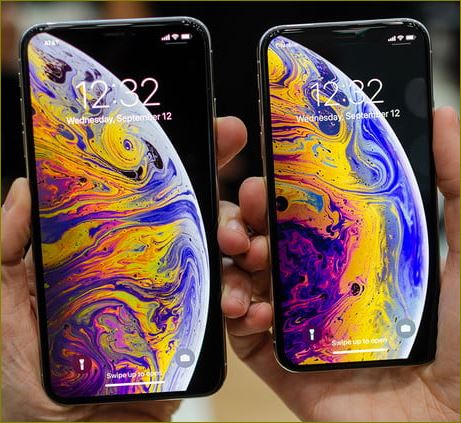
iPhone XS and XR: Specific Absorption Rates (SAR) or RF Exposure

What are the SAR values for iPhone’s new smart phones? 
How should consumers use this information?

about cell phone use.

Also see: "Do iPhones emit more radiation than 
Samsung Galaxy phones?"


To reduce your exposure to microwave radiation: 
  • When communication is unnecessary, use Airplane mode.
  • When using cellular, turn off Wi-Fi and Bluetooth.
  • When using Wi-Fi, turn off cellular and Bluetooth.
  • When phone is powered on, never keep phone next to your body, especially during a phone call.
  • When communicating, use phone in speaker mode or a wired earpiece.
For information about wireless head sets, see my AirPods post.


Sep 13, 2018 (Updated Oct 25, 2018)

According to test reports filed with the Federal Communications Commission (FCC), the Specific Absorption Rate (SAR) for the iPhone XS Models A1920, A2099 and A2100 (FCC #BCG-E3218A) for cellular transmission is 0.90 watts per kilogram (w/kg) at the head, and 0.99 w/kg when worn on the body. The hotspot/Airplay SAR is 0.99 w/kg. The SAR for simultaneous transmission (cellular plus Wi-Fi) is 1.35 w/kg at the head, 1.53 w/kg when worn on the body, and 1.53 w/kg when used as a hotspot. (1a)

The SAR for the iPhone XS Max Models A1921, A2103 and A2104 (BCG-E3219A) for cellular transmission is 1.00 watts per kilogram (w/kg) at the head, and 1.00 w/kg when worn on the body. The hotspot/Airplay SAR is 1.00 w/kg. The SAR for simultaneous transmission (cellular plus Wi-Fi) is 1.39 w/kg at the head, 1.52 w/kg when worn on the body, and 1.52 w/kg when used as a hotspot. (1b)

The SAR for the iPhone XR Models A1984, A2107 and A2108 (BCG-E3220A) for cellular transmission is 0.90 watts per kilogram (w/kg) at the head, and 1.10 w/kg when worn on the body. The hotspot/Airplay SAR is 1.10 w/kg. The SAR for simultaneous transmission (cellular plus Wi-Fi) is 1.41 w/kg at the head, 1.59 w/kg when worn on the body, and 1.59 w/kg when used as a hotspot. (2)

All SARs reported above are averaged over one gram of body tissue corresponding to the US guidelines. The SAR values may vary by cell phone carrier. 

The SAR values listed above are for conventional cell phone communications using spectrum licensed to cell phone carriers (i.e., PCE). Apple has not yet posted the SAR values for these phones on its website. Apple will likely list slightly higher values for the head and body which represent cell phone communications using unlicensed spectrum (i.e., NII). Note that Apple does not report on its website the SARs in hotspot mode or for simultaneous transmission of cellular and Wi-Fi.

The minimum separation distance for body-worn testing was 5 mm (about two-tenths of an inch).

Outside of the United States, Apple markets other versions of these iPhone models that use different carrier frequencies. The names for these models are A2097, A2098, A2101, and A2102. The corresponding FCC IDs for these models are BCG-3232A, BCG-3233A, BCG-3234A, BCG-3235A, respectively. The SARs (averaged over 1 gram) are similar to those reported above. Note that some countries require the SARs to be averaged over 10 grams which is a more permissive test of RF exposure than averaging over 1 gram.

The SAR values for the Samsung Galaxy S8, 8 Plus, and Note smart phones were obtained at a separation distance of 15 mm (about six-tenths of an inch) from the torso so the body-worn SAR values are not comparable to those reported for the Apple iPhones. For more information see my article about Samsung smart phones.

What do SAR values mean to the consumer?

The legal limit for the SAR in the U.S. is 1.60 w/kg (averaged over one gram). In many countries the legal limit for the SAR is 2.00 w/kg (averaged over ten grams) which enables the body to absorb 2-3 times the radiation than the U.S. guideline permits.

The FCC requires that all cell phone models be tested for their Specific Absorption Rate or SAR prior to marketing. The SAR is a measure of the maximum amount of microwave radiation absorbed by the head or the body. It is measured in a laboratory using an artificial model of a large adult male with different fluids to simulate human tissue. The SAR, which is measured in watts per kilogram, represents the maximum amount of energy absorbed in any one gram of tissue in the test model. Phones sold in the U.S. typically range in SAR values from about 0.20 w/kg up to the 1.60 legal limit. (3, 4)

The SAR test, adopted in 1996 by the FCC, was criticized by the U.S. Government Accountability Office in 2012. (5) The test does not reflect those who currently use cell phones, nor does it correspond to the way people use them. Today many children are cell phone users--the child’s brain absorbs twice the radiation as the adult’s brain. Moreover, the artificial head does not contain any metal (e.g., dental fillings, earrings, or eyeglass frames) which could increase the radiation absorption beyond the measured SAR in the laboratory. (5)

The FCC assumes that consumers will carry their cell phones in a manufacturer-approved holder that keeps the phone a minimum distance away from the body. However, most people do not keep their phone in a cell phone holder. For the body-worn SAR test, the FCC allows the manufacturer to choose the separation distance between the cell phone and the test model as long as consumers are informed about the minimum distance tested. However, few consumers are aware of the manufacturer’s recommended minimum body separation distance from their cell phone because this information is often difficult to find. Thus, most consumers are in the dark about precautions they can take to keep their exposure to microwave radiation below the legal limit. This prompted the city of Berkeley, California to adopt landmark legislation that requires cellphone retailers to inform their customers about the manufacturer’s safety information.

To ensure that the cell phone does not exceed the legal limit, consumers should never keep their cell phone in their pockets or next to their skin. The cell phone is not tested directly against the body because almost all cell phones would fail the SAR test as the radiation absorption increases dramatically when the cell phone is close to the body.

Is the legal limit sufficient to protect the cell phone user’s health?

Federal policies in the U.S. could lead the public to believe that all legally-marketed cell phones are safe, and that a cell phone's SAR doesn't matter as long as it meets the legal limit of 1.6 watts per kilogram. (3, 4)

However, the Environmental Working Group and experts point out that the SAR only measures the maximum microwave absorption from cell phone use that perfectly matches laboratory conditions. The SAR is not a good indicator of one’s cumulative microwave dose under naturalistic conditions.  The research evidence suggests that how one uses the phone (e.g., hands-free) and one’s cell phone carrier actually matters more than the phone’s SAR level.  (4, 6, 7)

The SAR standard was developed to protect users only from the acute effects of the heat generated by microwave radiation (i.e., the thermal effect). (5) The SAR limit does not protect users from the non-thermal effects caused by the cumulative exposure over time to cell phone radiation.

Yet, thousands of laboratory studies with animals and cell samples have found deleterious biologic effects from short-term exposure to low intensity cell phone radiation, including development of stress proteins, micronuclei, free radicals, DNA breakage, and sperm damage. (8) Human studies have also found that brief exposure to cell phone radiation alters brain activity and can open the blood-brain barrier which could enable chemical toxins in the circulatory system to penetrate the brain. (9)

Major studies with humans have found increased cancer risk, including a three-fold increase in brain cancer among those who used wireless phones (cell phones and cordless phones) for 25 or more years. (10)  Based upon this research, the World Health Organization in 2011 declared radiofrequency radiation "possibly carcinogenic" in humans (Group 2B). (11)

Other risks from cell phone use include reproductive harm and male infertility, and neurological disorders (e.g., impaired cognitive functioning, headaches and migraines, and ADHD [attention deficit/ hyperactivity disorder]) in children. (12, 13)

Based upon the weight of the evidence from several decades of research including thousands of peer-reviewed published studies, many experts worldwide have signed declarations calling upon government to adopt stronger radiation standards to protect consumers from low intensity, non-thermal exposures from radiation associated with wireless communications, and to alert consumers about how to reduce their risk of harm. (14 -16)

Recent evidence suggests that brain tumor incidence is increasing in the U.S. and other countries and exposure to cell phone radiation may be contributing to this increase. (17) More than 240 scientists who have published peer-reviewed research on electromagnetic fields and biology or health have signed a petition, the International EMF Scientist Appeal, calling for stronger regulation of wireless radiation.

For tips on how to reduce exposure to wireless radiation, see "
Some Tips to Reduce Your Exposure to Wireless Radiation". (18) In short, limit your use of the phone, keep the phone away from your body whenever it is powered on, use the phone hands-free, and turn off transmitters not in use (e.g., shut off Wi-Fi or use airplane mode).

References

(1a) UL Verification Services, Inc. SAR Evaluation Report for Smartphone. FCC ID: BCG-E3218A. Model Name: A1920, A2099, A2100. Prepared for Apple, Inc. Report Number: 12124121-S1V2. Issue Date: 8/30/2018. Fremont, CA. https://fccid.io/BCG-E3218A/RF-Exposure-Info/SAR-Test-Report-1-of-11-3986211


(1b) UL Verification Services, Inc. SAR Evaluation Report for Smartphone. FCC ID: BCG-E3219A. Model Name: A1921, A2103, A2104. Prepared for Apple, Inc. Report Number: 12124122-S1V1. Issue Date: 8/30/2018. Fremont, CA. https://fccid.io/BCG-E3219A/RF-Exposure-Info/SAR-Test-Report-1-of-10-3986223

(2) UL Verification Services, Inc. SAR Evaluation Report for Smartphone. FCC ID: BCG-E3220A. Model Name: A1984, 2108, 2107. Prepared for Apple, Inc. Report Number: 12162294-S1V1. Issue Date: 8/30/2018. Fremont, CA. https://fccid.io/BCG-E3220A/RF-Exposure-Info/SAR-test-report-1-of-10-3989380

(3) FCC. Specific Absorption Rate (SAR) for Cellular Telephones. Undated. http://www.fcc.gov/encyclopedia/specific-absorption-rate-sar-cellular-telephones

(4) FCC. “Specific Absorption Rate (SAR) For Cell Phones: What It Means For You.” Undated. http://www.fcc.gov/guides/specific-absorption-rate-sar-cell-phones-what-it-means-you

(5) Joel Moskowitz. “"Comments on the 2012 GAO Report: 'Exposure and Testing Requirements for Mobile Phones Should Be Reassessed'.:” http://www.saferemr.com/2013/01/commentary-gao-2012-report-on-mobile.html

(6) Wolchover N. Radiation Risk: Are Some Cellphones More Dangerous Than Others? Life's Little Mysteries. June 23, 2011. http://www.lifeslittlemysteries.com/1550-radiation-risk-some-cell-phones-more-dangerous-than-others.html

(7) Environmental Working Group. EWG’s Guide to Safer Cell Phone Use: Where is EWG's cell phone database? August 27 2013. 

(8) Giuliani L. Soffritti M. Non-thermal effects and mechanisms of interaction between electromagnetic fields and living matter. ICEMS Monograph. Bologna, Italy: National Institute for the Study and Control of Cancer. 2010. http://www.icems.eu/papers.htm

(9) Joel Moskowitz. “LTE Cell Phone Radiation Affects Brain Activity in Cell Phone Users.” Sep 20, 2013. http://www.prlog.org/12215083

(10) Joel Moskowitz. “Brain Cancer Risk Increases with the Amount of Wireless Phone Use: Study. http://www.prlog.org/12216483

(11) Joel Moskowitz. “Most Significant Government Health Report on Mobile Phone Radiation Ever Published.” http://www.prlog.org/12125230

(12) Joel Moskowitz. “Cell Phone Radiation, Pregnancy, and Sperm.” Nov 19, 2012.     http://www.prlog.org/12026867

(13) Joel Moskowitz. “Cell Phone Use and Prenatal Exposure to Cell Phone Radiation May Cause Headaches in Children.“ http://www.prlog.org/12269207

(14) Joel Moskowitz. “Part I: Why We Need Stronger Cell Phone Radiation Regulations--Key Testimony Submitted to the FCC.” Aug 4, 2014. http://www.saferemr.com/2014/08/why-we-need-stronger-cell-phone.html

(15) Joel Moskowitz. “Part II: Why We Need Stronger Cell Phone Radiation Regulations--Key Research Papers Submitted to the FCC.” Aug 4, 2014. http://www.saferemr.com/2014/08/why-we-need-stronger-cell-phone_43.html

(16) Joel Moskowitz. “Part III: Why We Need Stronger Cell Phone Radiation Regulations--98 Scientific Experts Who Signed Resolutions.” Aug 4, 2014. http://www.saferemr.com/2014/08/why-we-need-stronger-cell-phone_4.html

(17) Joel Moskowitz. Brain Tumor Rates are Increasing in the U.S.: The Role of Cell Phone and Cordless Phone Use. 
http://bit.ly/risingtumors

(18) Joel Moskowitz. Some Tips to Reduce Your Exposure to Wireless Radiation  (one page handout). Undated. 
http://bit.ly/saferemrtips3

Thursday, November 2, 2017

iPhone X SAR: Specific Absorption Rate or RF Exposure

What are the SAR values for iPhone’s new smart phones? 
How should consumers use this information?

about cell phone use.

Also see: "Do iPhones emit more radiation than 
Samsung Galaxy phones?"


To reduce your exposure to microwave radiation: 
  • When communication is unnecessary, use Airplane mode.
  • When using cellular, turn off Wi-Fi and Bluetooth.
  • When using Wi-Fi, turn off cellular and Bluetooth.
  • When phone is powered on, never keep phone next to your body, especially during a phone call.
  • When communicating, use phone in speaker mode or a wired earpiece.
For information about wireless head sets, see my AirPods post.
A word of warning about new iPhones: Sophos has an article on its computer security website entitled, "iPhone's new 'off' switch that leaves Bluetooth and Wi-Fi turned on." (Please let me me know if this information is false.)

According to test reports filed with the Federal Communications Commission (FCC), the Specific Absorption Rate (SAR) for the iPhone X Models A1865 and A1903  (FCC #BCG-E3161A) for cellular transmission is 1.08 watts per kilogram (w/kg) at the head, and 1.08 w/kg when worn on the body. The hotspot/Airplay SAR is 1.09 w/kg. The SAR for simultaneous transmission (cellular plus Wi-Fi) is 1.39 w/kg at the head, 1.56 w/kg when worn on the body, and 1.56 w/kg when used as a hotspot.

The SAR for the  iPhone X Model A1901 (BCG-E3175A [no CDMA]) for cellular transmission is 1.07 watts per kilogram (w/kg) at the head, and 1.09 w/kg when worn on the body. The hotspot/Airplay SAR is 1.09 w/kg. The SAR for simultaneous transmission (cellular plus Wi-Fi) is 1.41 w/kg at the head, 1.59 w/kg when worn on the body, and 1.59 w/kg when used as a hotspot.

The SAR for the iPhone X Model A1902  (BCG-E3176A) for cellular transmission is 1.09 watts per kilogram (w/kg) at the head, and 1.09 w/kg when worn on the body. The hotspot/Airplay SAR is 1.09 w/kg. The SAR for simultaneous transmission (cellular plus Wi-Fi) is 1.48 w/kg at the head, 1.59 w/kg when worn on the body, and 1.59 w/kg when used as a hotspot.

All SARs reported above are averaged over one gram of body tissue corresponding to the US guidelines. The SAR values vary by cell phone carrier: Verizon and Sprint use the CDMA models, and AT&T and T-Mobile use the GSM models. 

The SAR values listed above are for conventional cell phone communications using spectrum licensed to cell phone carriers (i.e., PCE). Apple lists slightly higher values on its website for the head and body which represent cell phone communications using unlicensed spectrum (i.e., NII). Note that Apple does not report on its website the SARs in hotspot mode or for simultaneous transmission of cellular and Wi-Fi.

The minimum separation distance for body-worn testing was 5 mm (about two-tenths of an inch).

The SAR values for the Samsung Galaxy S8, 8 Plus, and Note smart phones were obtained at a separation distance of 15 mm (about six-tenths of an inch) from the torso so the body-worn SAR values are not comparable to those reported for the Apple iPhones. For more information see my article about Samsung smart phones.

What do SAR values mean to the consumer?

The legal limit for the SAR in the U.S. is 1.60 w/kg (averaged over one gram of tissue).

The FCC requires that all cell phone models be tested for their Specific Absorption Rate or SAR. The SAR is a measure of the maximum amount of microwave radiation absorbed by the head or the body. It is measured in a laboratory using an artificial model of a large adult male with different fluids to simulate human tissue. The SAR, which is measured in watts per kilogram, represents the maximum amount of energy absorbed in any one gram of tissue in the test model. Phones sold in the U.S. typically range in SAR values from about 0.20 w/kg up to the 1.60 legal limit. (3, 4)

The SAR test, adopted in 1996 by the FCC, was criticized by the U.S. Government Accountability Office in 2012. (5) The test does not reflect those who currently use cell phones, nor does it correspond to the way people use them. Today many children are cell phone users--the child’s brain absorbs twice the radiation as the adult’s brain. Moreover, the artificial head does not contain any metal (e.g., dental fillings, earrings, or eyeglass frames) which could increase the radiation absorption beyond the measured SAR in the laboratory. (5)

The FCC assumes that consumers will carry their cell phones in a manufacturer-approved holder that keeps the phone a minimum distance away from the body. However, most people do not keep their phone in a cell phone holder. For the body-worn SAR test, the FCC allows the manufacturer to choose the separation distance between the cell phone and the test model as long as consumers are informed about the minimum distance tested. However, few consumers are aware of the manufacturer’s recommended minimum body separation distance from their cell phone because this information is often difficult to find. Thus, most consumers are in the dark about precautions they can take to keep their exposure to microwave radiation below the legal limit. This prompted the city of Berkeley, California to adopt landmark legislation that requires cellphone retailers to inform their customers about the manufacturer’s safety information.

To ensure that the cell phone does not exceed the legal limit, consumers should never keep their cell phone in their pockets or next to their skin. The cell phone is not tested directly against the body because almost all cell phones would fail the SAR test as the radiation absorption increases dramatically when the cell phone is close to the body.

Is the legal limit sufficient to protect the cell phone user’s health?

Federal policies in the U.S. could lead the public to believe that all legally-marketed cell phones are safe, and that a cell phone's SAR doesn't matter as long as it meets the legal limit: 1.6 watts per kilogram. (3, 4)

However, the Environmental Working Group and experts point out that the SAR only measures the maximum microwave absorption from cell phone use that perfectly matches laboratory conditions. The SAR is not a good indicator of one’s cumulative microwave exposure under naturalistic conditions.  The research evidence suggests that how one uses the phone (e.g., hands-free) and one’s cell phone carrier actually matters more than the phone’s SAR level.  (4, 6, 7)

The SAR standard was developed to protect users only from the acute effects of the heat generated by microwave radiation (i.e., the thermal effect). (5) The SAR limit does not protect users from the non-thermal effects caused by the cumulative exposure over time to cell phone radiation.

Yet, thousands of laboratory studies with animals and cell samples have found deleterious biologic effects from short-term exposure to low intensity cell phone radiation, including development of stress proteins, micronuclei, free radicals, DNA breakage, and sperm damage. (8) Human studies have also found that brief exposure to cell phone radiation alters brain activity and can open the blood-brain barrier which could enable chemical toxins in the circulatory system to penetrate the brain. (9)

Major studies with humans have found increased cancer risk, including a three-fold increase in brain cancer among those who used wireless phones (cell phones and cordless phones) for 25 or more years. (10)  Based upon this research, the World Health Organization in 2011 declared radiofrequency radiation "possibly carcinogenic" in humans (Group 2B). (11)

Other risks from cell phone use include reproductive harm and male infertility, and neurological disorders (e.g., impaired cognitive functioning, headaches and migraines, and ADHD [attention deficit/ hyperactivity disorder]) in children. (12, 13)

Based upon the weight of the evidence from several decades of research including thousands of peer-reviewed published studies, many experts worldwide have signed declarations calling upon government to adopt stronger radiation standards to protect consumers from low intensity, non-thermal exposures from radiation associated with wireless communications, and to alert consumers about how to reduce their risk of harm. (14 -16)

Recent evidence suggests that brain tumor incidence is increasing in the U.S. and other countries and exposure to cell phone radiation may be contributing to this increase. (17) More than 230 scientists who have published peer-reviewed research on electromagnetic fields and biology or health have signed a petition, the International EMF Scientist Appeal, calling for stronger regulation of wireless radiation.

For tips on how to reduce exposure to wireless radiation, see "
Some Tips to Reduce Your Exposure to Wireless Radiation". (18) In short, limit your use of the phone, keep the phone away from your body whenever it is powered on, use the phone hands-free, and turn off transmitters not in use (e.g., shut off Wi-Fi or use airplane mode).

References

(3) FCC. Specific Absorption Rate (SAR) for Cellular Telephones. Undated. http://www.fcc.gov/encyclopedia/specific-absorption-rate-sar-cellular-telephones

(4) FCC. “Specific Absorption Rate (SAR) For Cell Phones: What It Means For You.” Undated. http://www.fcc.gov/guides/specific-absorption-rate-sar-cell-phones-what-it-means-you

(5) Joel Moskowitz. “"Comments on the 2012 GAO Report: 'Exposure and Testing Requirements for Mobile Phones Should Be Reassessed'.:” http://www.saferemr.com/2013/01/commentary-gao-2012-report-on-mobile.html

(6) Wolchover N. Radiation Risk: Are Some Cellphones More Dangerous Than Others? Life's Little Mysteries. June 23, 2011. http://www.lifeslittlemysteries.com/1550-radiation-risk-some-cell-phones-more-dangerous-than-others.html

(7) Environmental Working Group. EWG’s Guide to Safer Cell Phone Use: Where is EWG's cell phone database? August 27 2013. 

(8) Giuliani L. Soffritti M. Non-thermal effects and mechanisms of interaction between electromagnetic fields and living matter. ICEMS Monograph. Bologna, Italy: National Institute for the Study and Control of Cancer. 2010. http://www.icems.eu/papers.htm

(9) Joel Moskowitz. “LTE Cell Phone Radiation Affects Brain Activity in Cell Phone Users.” Sep 20, 2013. http://www.prlog.org/12215083

(10) Joel Moskowitz. “Brain Cancer Risk Increases with the Amount of Wireless Phone Use: Study. http://www.prlog.org/12216483

(11) Joel Moskowitz. “Most Significant Government Health Report on Mobile Phone Radiation Ever Published.” http://www.prlog.org/12125230

(12) Joel Moskowitz. “Cell Phone Radiation, Pregnancy, and Sperm.” Nov 19, 2012.     http://www.prlog.org/12026867

(13) Joel Moskowitz. “Cell Phone Use and Prenatal Exposure to Cell Phone Radiation May Cause Headaches in Children.“ http://www.prlog.org/12269207

(14) Joel Moskowitz. “Part I: Why We Need Stronger Cell Phone Radiation Regulations--Key Testimony Submitted to the FCC.” Aug 4, 2014. http://www.saferemr.com/2014/08/why-we-need-stronger-cell-phone.html

(15) Joel Moskowitz. “Part II: Why We Need Stronger Cell Phone Radiation Regulations--Key Research Papers Submitted to the FCC.” Aug 4, 2014. http://www.saferemr.com/2014/08/why-we-need-stronger-cell-phone_43.html

(16) Joel Moskowitz. “Part III: Why We Need Stronger Cell Phone Radiation Regulations--98 Scientific Experts Who Signed Resolutions.” Aug 4, 2014. http://www.saferemr.com/2014/08/why-we-need-stronger-cell-phone_4.html

(17) Joel Moskowitz. Brain Tumor Rates are Increasing in the U.S.: The Role of Cell Phone and Cordless Phone Use. 
http://bit.ly/risingtumors

(18) Joel Moskowitz. Some Tips to Reduce Your Exposure to Wireless Radiation  (one page handout). Undated. 
http://bit.ly/saferemrtips3